Waddle into the world of waterfowl with the Ducks Nature Activity Book — a hands-on, screen-free resource that introduces children to ducks, geese, and other feathered friends through fun facts and interactive learning.
Created by Waterford Press, this 32-page activity book features coloring pages, mazes, trace-the-word exercises, matching games, and simple explanations to help children explore the fascinating lives of ducks — from ducklings and life cycles to migration patterns and wetland habitats.
Designed to encourage curiosity, observation, and early science exploration, this activity book blends learning with play, making it perfect for homeschool use, classroom centers, or independent discovery.
Key Features:
- 32 pages of duck-themed educational activities
- Learn about duck species, feathers, beaks, wetland habitats, and migration
- Includes mazes, matching, coloring pages, and vocabulary-building activities
- Supports STEM learning and nature-based education
- Great for homeschool, classroom units, or seasonal learning
Types of Activities Included:
- Word Search
- Name Matching
- Coloring Pages
- Spot the Difference
- Migration Activities
- Make Words
- Picture Scramble
- Origami
- Mazes
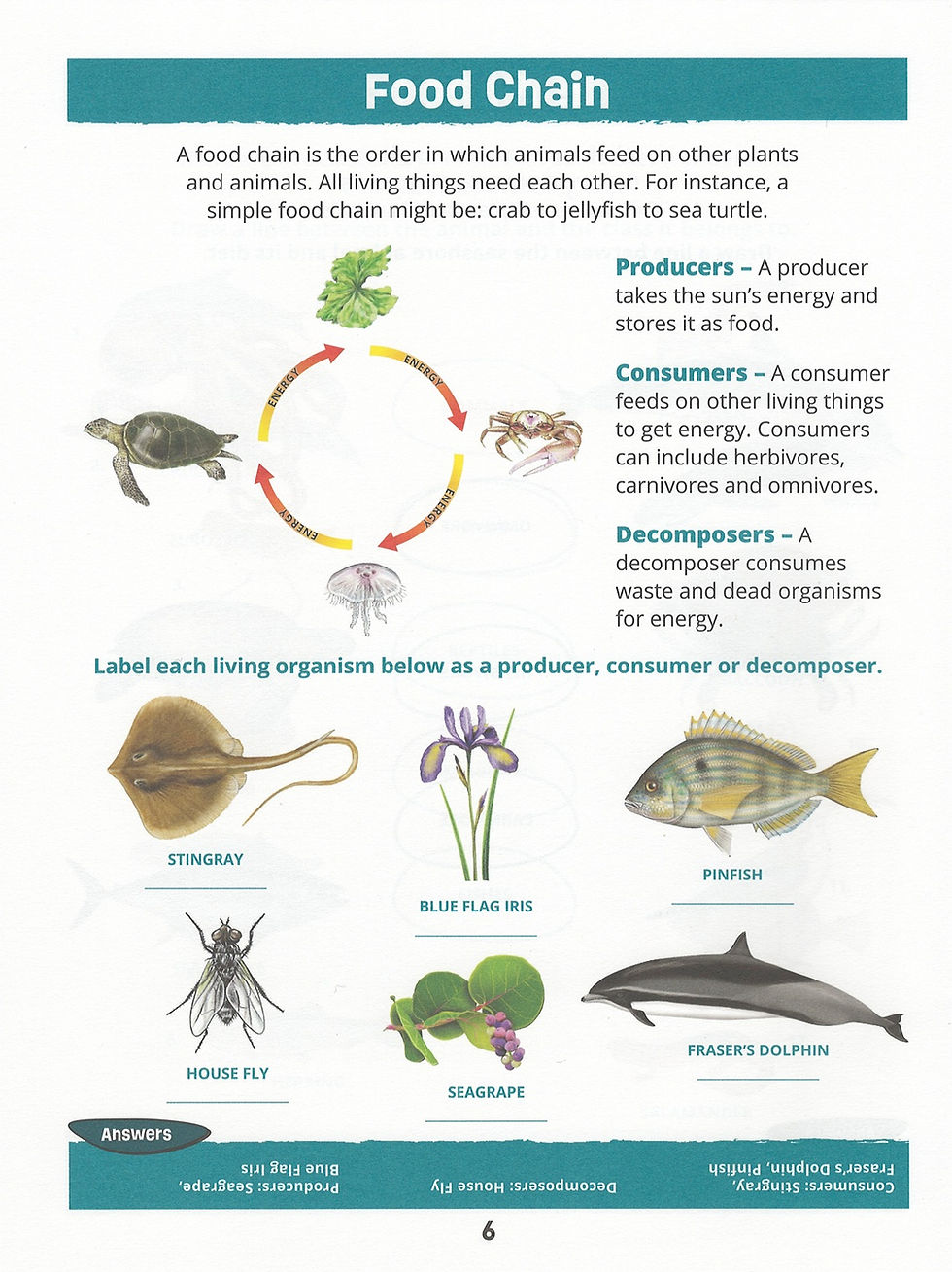
- Food Chain Exploration
- Connect the Dots
- Shadow Matching
- Oddball Out
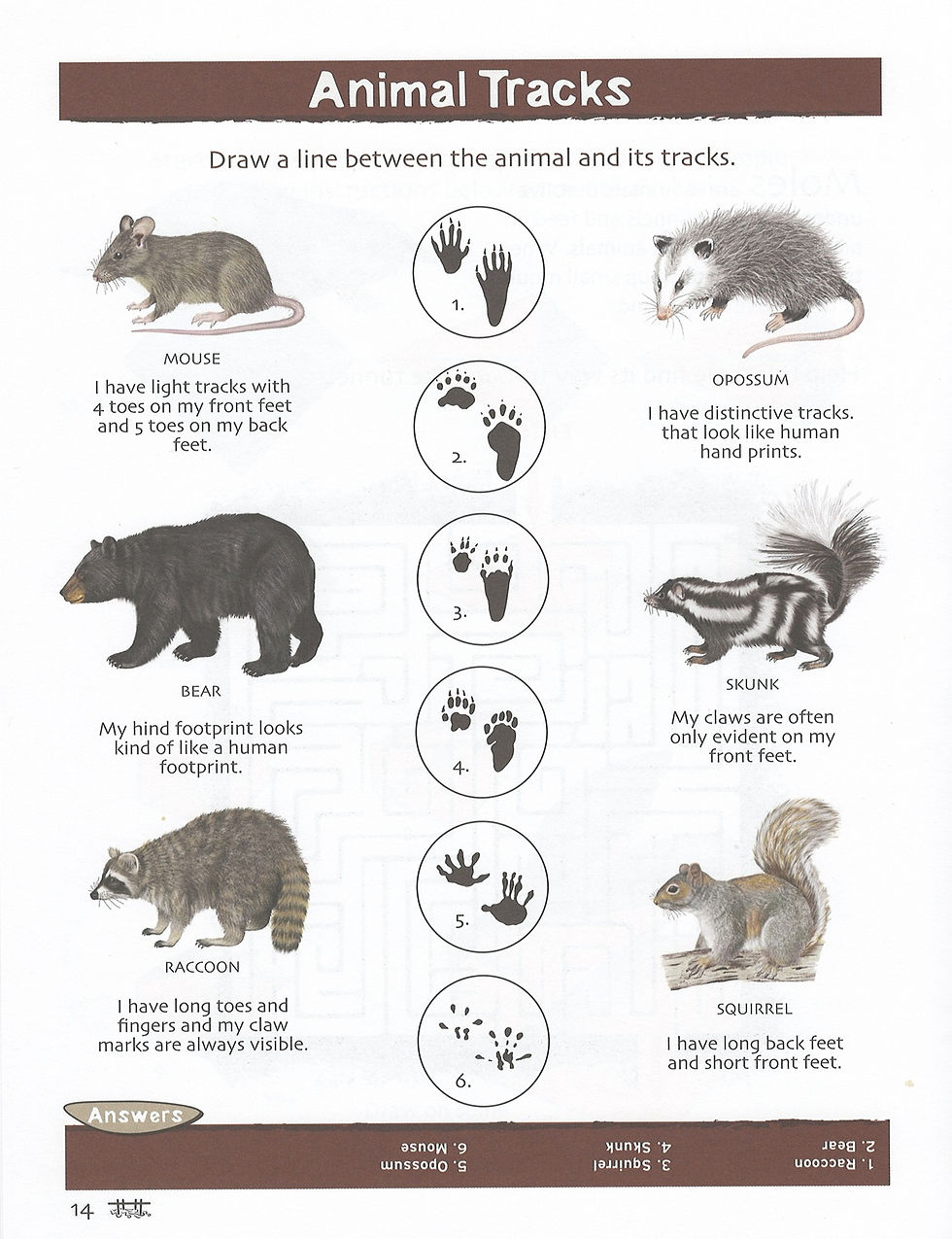
- Beak and Feet Identification
- Life Cycle and Anatomy Activities
Product Details:
Publisher: Waterford Press
Format: Activity Book
Pages: 32
Language: English
Recommended For:
- Ages 8–12
- Children interested in birds, animals, and ecosystems
- Homeschool and Montessori-aligned learning
- Classroom science and nature units
- Spring and migration season activities
Frequently Asked Questions
Q: What age group is this activity book best for?
A: This book is best suited for children ages 8–12.
Q: What topics does this book cover?
A: It explores ducks, geese, bird anatomy, habitats, migration, and food chains.
Q: Is this good for homeschool use?
A: Yes. It is an excellent supplement for nature study, bird units, and ecosystem learning.
Q: Does this support STEM learning?
A: Yes. It introduces early science concepts such as habitats, adaptation, and life cycles.
Q: Is this a screen-free activity?
A: Yes. This is a fully screen-free resource designed to encourage hands-on learning and creativity.
Learning, Naturally.